
About me
- Home
- »
- About
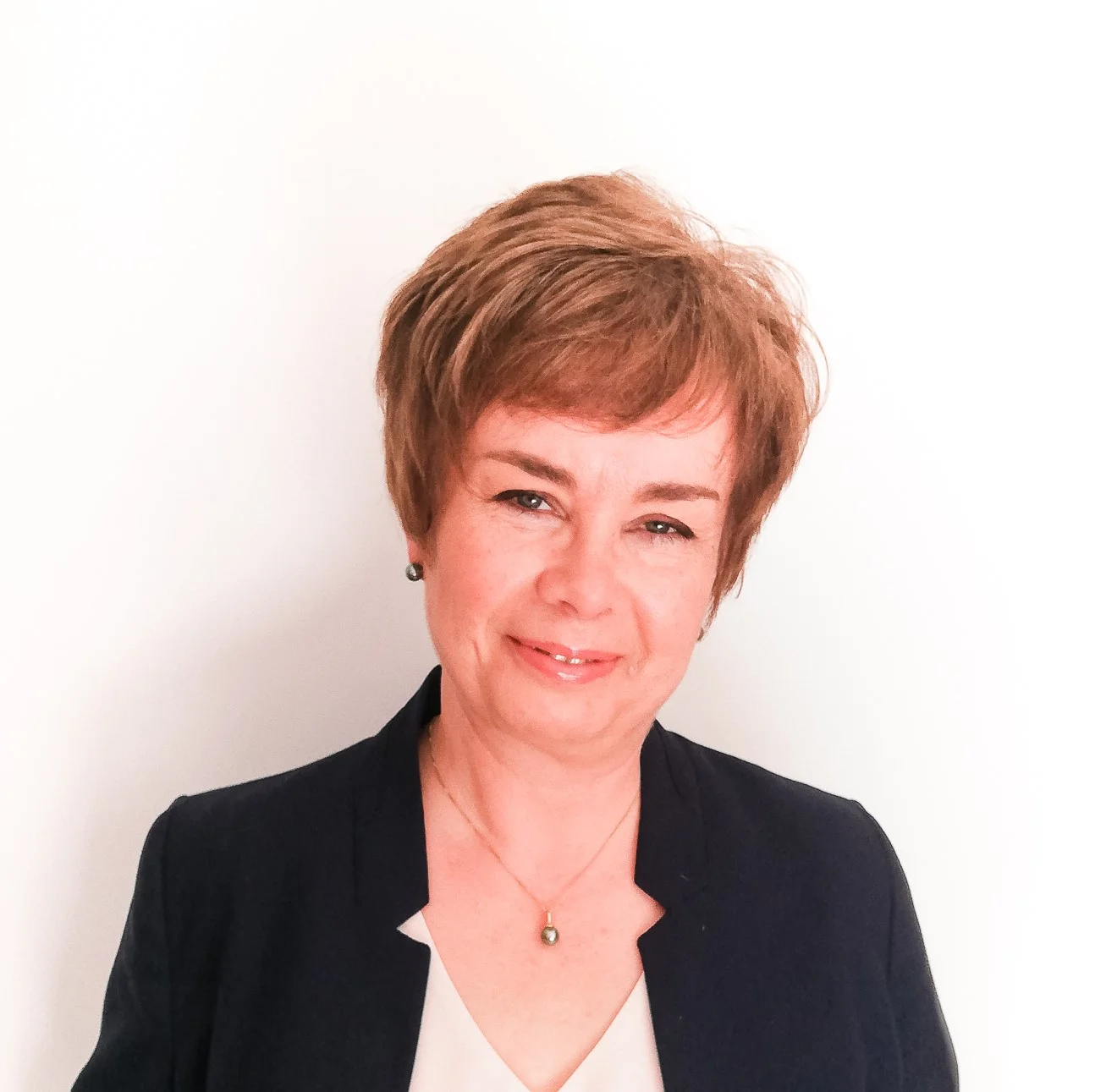
Hi, I'm Elżbieta!
I'm a multilingual SEO and content strategist based in Alsace, and the founder of Starnala.
I began as a translator, spent most of my career on the delivery side of tech and finance, and today I run content strategy for teams working across markets.
Why Starnala
When I decided to relaunch my business, I knew the name had to reflect not just what I do, but how I do it. As a multilingual SEO and content strategist, I help businesses find their way to visibility and growth online – across languages, cultures, and markets. I needed a name that could travel as easily as the content I create.
Starnala comes from Alsace, where I completed my studies and where I returned after 20 years in the UK. In the Alsatian dialect, "Stërn (Starn)" means star, a guiding light for travellers in unfamiliar territory. The "-ala" ending is a diminutive that adds warmth without being overly familiar.
The name works practically too. Those three syllables flow naturally, with no difficult consonant clusters or confusing spellings. It's simple to spell, easy to pronounce in English, French, or Polish, and the "star" element connects to navigation and guidance.
Ultimately, the name does what I help my clients do: honour their roots while creating something that works across borders.

What I’ve seen
I didn't come to content strategy through marketing.
I started in translation, then spent over a decade inside software and financial services as a business analyst and QA lead, working on requirements, testing, localisation, and delivery across teams in the UK and France.
In that world, you learn quickly what happens when requirements aren't clear before the work starts. Clients sit in review meetings saying, 'This isn't what we had in mind, we need something that...' – and by that point, significant time and budget have already been spent. You learn to ask the right questions first, not after.
Content fails the same way. Not all at once, and rarely dramatically. Pages that don't quite serve a purpose, articles that overlap, messaging that loses precision over time. Individually, none of it looks critical. Together, it slows teams down and weakens performance.
Where my background makes a difference
The problems vary by sector, but the pattern is familiar.
When technical content loses precision
In SaaS and financial services, the challenge is usually precision: complex product detail that needs to support acquisition without losing accuracy. Having worked in these sectors, I know what gets lost when someone without the necessary background tries to simplify it.
Sites that have grown faster than their structure
In e-commerce and manufacturing, it tends to be structural. Too much on the site and no clear role for each page. The same accumulation problem I spent years diagnosing in software projects – just in a different format.
Same brand, different market
Working across markets adds another layer. Search intent shifts with context. Homeowners in France and in Poland look for window shutters for different reasons: in France, shutters are a must to protect against excess sunlight and heat. In Poland, shutters are appreciated for security and as a value-adding feature for the home.
The same happens with terminology. When a tourist searches for a "villa" on an English booking site, they usually mean a large, luxurious property. In Italian, "villa" carries such strong associations with historic grandeur that it overshoots what most rental platforms offer, and a native speaker searching for a holiday home would instinctively use different terms entirely.
Getting that wrong doesn't just affect rankings. It affects whether the right audience finds you in the first place.
That's my work: making sure content is accurate to the market it's written for, not just translated into it.
You can see how this plays out in practice.
Most of the businesses I work with don't have a content problem.
They have a clarity problem: too much that doesn't support decisions, not enough that does.
If that's where you are, we should talk.